Everyday Life & Family Resources for Newcomers to Australia

The start of a new year is the perfect time to reset especially if you’re adjusting to life in a new country. Moving to Australia comes with plenty of opportunities, but it also brings a steep learning curve when it comes to everyday systems, family life, and managing finances.
This article brings together essential everyday life and family resources for newcomers to Australia, designed to help you settle in more smoothly. These insights are here to support your journey toward a more confident and organised life in Australia.
Healthcare & Support
When talking about healthcare in Australia, the variety of topics can feel overwhelming especially for those who are new to the country. From understanding how the public and private systems work to knowing where to go for everyday care, it’s a lot to take in at once. This section breaks things down into simple, easy to understand information to help you navigate Australia’s healthcare system with more confidence.
Accessing healthcare in Australia is generally straightforward once you know where to start. Most families register with a local GP (General Practitioner) for everyday medical needs from check-ups to prescriptions and referrals to specialists. You can easily find nearby clinics through Google Maps or the Health direct Australia website, which lists doctors currently accepting new patients.
If you have Medicare, look for clinics that offer bulk billing, which means your consultation is fully covered and you won’t need to pay out of pocket. Some medical centres display this on their websites or clinic signs. For families still waiting on Medicare eligibility, private clinics also provide care, but you’ll need to pay per visit (usually between $70–$100 for a standard consultation). For dental care, most suburbs have family-friendly dental clinics that offer new patient deals or check-up packages. It’s worth booking early, as some clinics can have long waiting lists for popular time slots.
In case of emergencies, you can go directly to a public hospital’s emergency department, or call 000 for urgent help. .
Beyond medical care, it’s good to know about community support services many councils and local organisations run free or low-cost programs for mental health, parenting support, or family counselling. You can usually find these on your local council’s website or by visiting the community centre in your area.
Disclaimer: It is always best to do your own research as different states rules varies. This is just a general idea and sharing it from our own experiences.
Family & Kids
Australia is one of the most family-friendly countries, with plenty of spaces and programs designed to help children learn, play, and connect. Most suburbs have well maintained parks, playgrounds, and community centres, making it easy for families to spend time outdoors or meet other parents.
Weekend outings are often as simple as packing a picnic and heading to your local parks offer wide open spaces, BBQ areas, and walking paths that kids love. And not to mention, the beaches (safest and family friendly) were absolutely stunning places to explore. Many shopping centres also have indoor play zones perfect for rainy days or when you just need a quick coffee break.
For early learners, your local library is one of the best (and free!) resources. Most libraries host storytime sessions, craft activities, or homework clubs throughout the week. It’s a great way for children to socialise while parents connect with other families in the area.
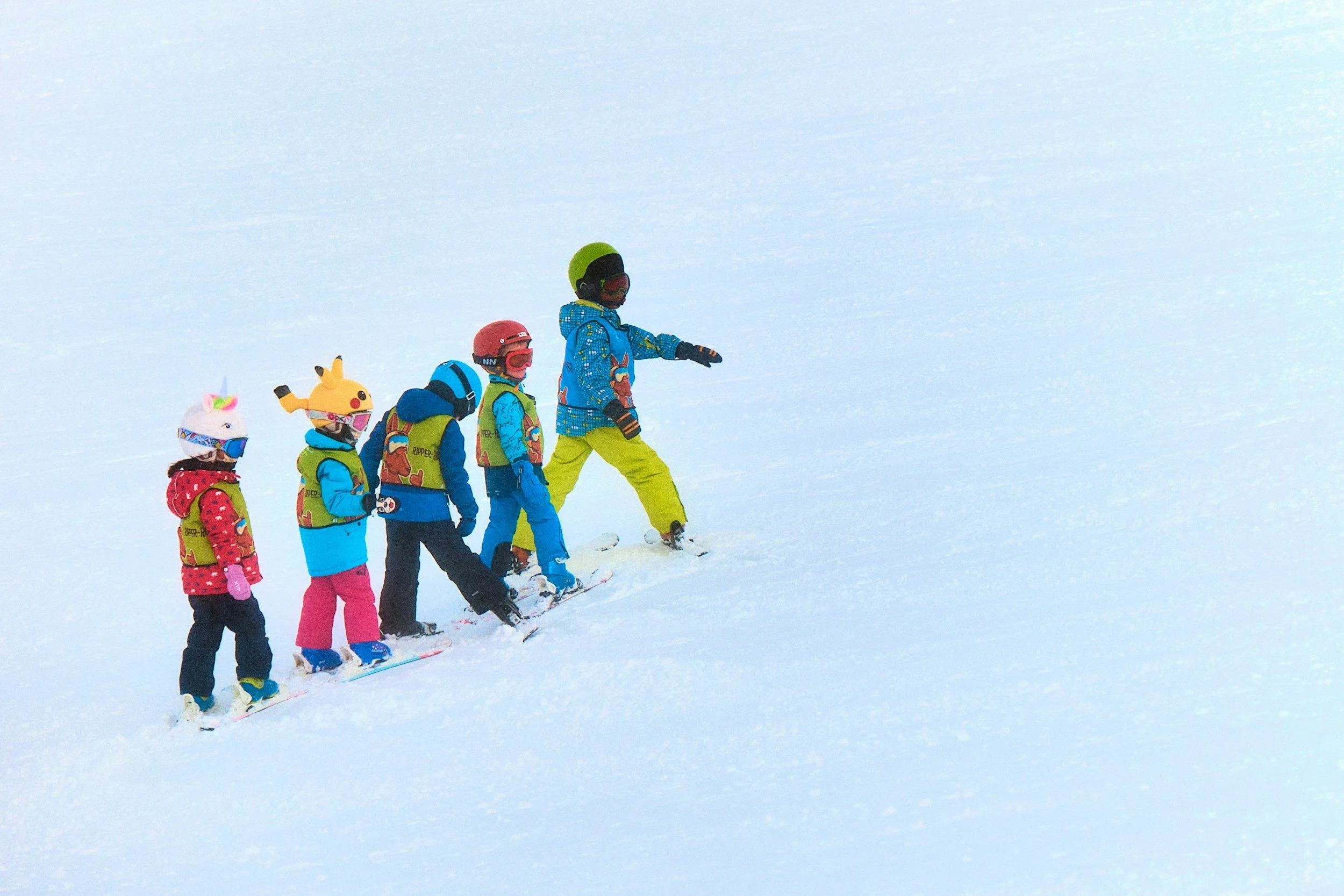
If your kids are into sports, check your local council or community Facebook group for weekend clubs and classes — from swimming and soccer to dance and martial arts. Most programs welcome beginners and are run by friendly coaches who make learning fun.
Parents looking for school information I suggest read my previous blog about school here in Australia to have an idea what local primary and secondary schools were. For those needing extra support, many schools also offer Learning Support or Inclusion programs to help children thrive academically and socially. (stay tuned I may share some insights about school inclusion program for your reference in the future).
Finally, keep an eye on community events things like weekend markets, outdoor movie nights, or local festivals often have free activities for kids and are a fun way to explore your neighbourhood.
Fitness & Wellness
Staying active and healthy is a big part of settling into life in Australia. Most suburbs have a great mix of gyms, outdoor spaces, and wellness studios that make it easy for families to keep a routine.
Anytime Fitness is one of the most convenient options for busy parents and my favorite part is it’s open 24/7 you can use your membership at any branch across the country. Many locations offer a friendly, community-style environment where newcomers feel comfortable right away.
You do no not need to go to the gym if you dont want to, Australia itself is a haven and a massive opportunity awaits to be healthy anytime, anywhere to just simply walk, run or “do it your own” healthy routine by just exploring outside parks, community centres and just walking around suburbs for FREE.
Nail Salon and Spa
Finding time for self-care can make a big difference when settling into a new country. Australia has plenty of affordable and welcoming spots where you can unwind, get pampered, or simply take a moment for yourself.
For quick and reliable nail or beauty services, you’ll find local nail salons and brow bars in most shopping centres — many of them accept walk-ins and have friendly staff who remember regular clients. Some great examples are the nail bars inside Rouse Hill Town Centre where you can fit in a manicure or brow tidy up while running errands.
I’ll keep adding more places and tips as I discover them — if you’ve recently moved and found a great spot worth sharing, let me know by messaging me! at info@hustlemom4.com 💌
Most Read Articles