Road Map for Moving to Australia With Kids (2026 Guide for Families)
Moving to Australia with children is exciting but it can also feel overwhelming. Between visas, schools, housing, healthcare, budgeting, and adjusting to a completely new lifestyle, many families don’t know where to begin. The good news is that thousands of families successfully move to Australia every year, and with proper planning, the transition can be much smoother than you think.
Australia is one of the most family-friendly countries in the world, known for its safe communities, quality education system, healthcare, parks, and outdoor lifestyle. It does not matter wherever you’re moving from the UAE, Asia, Europe, or anywhere else, preparing early will help you avoid unnecessary stress and make your family feel settled faster. It is very important to understand that this journey is not easy and to know where to begin, which is why Hustlemom is sharing this blog purely from our own experiences. No friends or internet will tell you what exactly to do but to learn it from your own journey.
This guide is designed as a simple road map for migrant families planning their move to Australia. From choosing the right suburb to enrolling your children in school, here’s a step-by-step guide to help you prepare for your new life.
Step 1: Understand Your Visa and Residency Status
This is your starting point before planning schools, housing, healthcare, or budgeting in Australia. Your visa and residency status will affect many important things for your family, including whether your children can access government-supported education and healthcare.
Before making any major decisions, make sure you clearly understand:
Your visa type
Your work rights
Medicare eligibility
School fee eligibility for your children
Many families assume that public schools in Australia are automatically free for everyone, but this is not always the case. In most states, only Australian citizens and permanent residents are fully entitled to government-supported public education without additional tuition fees.
If you are moving under a temporary visa—such as a TSS visa, work visa, student visa, or other temporary residency pathways—you may still be required to pay school fees for your children depending on your visa category and the state you will live in. Some temporary visa holders are also not immediately eligible for government support programs or Medicare benefits.
This is why understanding your visa conditions early is extremely important. Knowing your entitlements will help you:
plan your family budget properly
avoid unexpected school costs
prepare the correct documents
understand what services your family can access upon arrival
Taking the time to research this at the beginning of your migration journey can make the transition to Australia much smoother and less stressful for the whole family.
Step 2: Research the Best Family-Friendly Suburbs
Where you live in Australia plays a major role in your family’s daily life and your children’s education. Before choosing a rental home or buying a property, it’s important to carefully research suburbs that match your family’s needs and lifestyle.
Your suburb can affect:
school catchment eligibility
transportation and daily commute
cost of living
community support
access to parks and playgrounds
nearby supermarkets and shopping centres
healthcare and medical clinics
safety and overall family environment
One of the most important things migrant families need to understand is the concept of school catchment zones. In Australia, most public schools prioritise students who live within their designated local area or “catchment.” This means your home address may determine which public school your child is eligible to attend.
This is especially important in popular family suburbs where schools can fill up quickly. Living outside a school’s catchment area may reduce the chances of enrolment or place your child on a waiting list. Because of this, many families research schools first before finalising where to live.
It’s also important to note that catchment rules mainly apply to public schools. Private and Catholic schools usually have different enrolment processes and may accept students from outside the local area, although fees and requirements will vary.
Transportation is another key factor when choosing a suburb especially for working parents. Easy access to trains, buses, and metro stations can significantly improve daily routines and reduce travel stress. Suburbs with good transport links also provide easier access to schools, workplaces, shopping centres, medical facilities, and family activities.
For example, many migrant families in Sydney prefer suburbs with nearby metro access because it makes commuting to the city and surrounding areas much more convenient. Choosing a well-connected suburb can save both time and transportation costs in the long run.
Step 3: Prepare Your Children’s School Documents
One of the best ways to reduce stress during your move is by preparing your children’s school documents as early as possible. Having complete and organised paperwork can help speed up the enrolment process and avoid unnecessary delays once you arrive in Australia.
Before moving, prepare both physical and digital copies of important documents, including:
Passports
Birth certificates
School records and recent report cards
Vaccination and immunisation records
Visa documents
Proof of address once you secure housing in Australia
Some schools may also request additional documents such as:
English-translated copies of records
previous school references
special education or learning support reports if applicable
One of the MOST important documents for families moving to Australia is your child’s immunisation record. Australian schools and childcare centres take vaccination records very seriously, and incomplete records can sometimes delay enrolment or affect access to certain services and benefits.
In Australia, children’s vaccination history is usually linked to the Australian Immunisation Register. If your child received vaccinations overseas, you may need to have those records reviewed and updated by an Australian GP or recognised vaccination provider after arrival.
This process is important because vaccine schedules may differ from country to country. Some children may require:
additional booster shots
missing vaccinations
updated records transferred into the Australian system
It’s highly recommended to bring:
original vaccination booklets
certified English translations if needed
doctor or clinic records from your home country
Once you arrive in Australia, booking a GP appointment early can help ensure your child’s immunisation records are correctly updated and recognised by schools and childcare centres.
Preparing these documents ahead of time can make your transition smoother and help your children settle into school more quickly and confidently.
Step 4: Understand the Australian School System
Australia offers:
Public schools
Catholic schools
Private schools
Independent schools
Public schools are usually based on catchment zones, meaning your home address determines your eligible school.
Many migrant families initially choose public schools because they are more affordable and widely available.
Step 5: Set Up Healthcare and Medicare
Healthcare is one of the first and most important things families should arrange after arriving in Australia. Understanding how the Australian healthcare system works can help you prepare financially and avoid unexpected medical expenses during your transition.
Depending on your visa and residency status, you may qualify for:
Medicare
bulk-billing GP clinics
family healthcare support services
However, it’s important for migrant families to understand that Medicare is not always completely “free” healthcare. While Medicare helps reduce the cost of many medical services, there can still be:
gap fees
specialist fees
dental expenses
prescription costs
private hospital charges
Because of this, many Australian families—including permanent residents and citizens—still choose to maintain private health insurance alongside Medicare for additional coverage and shorter waiting times.
Your eligibility for Medicare will largely depend on your visa type. In general:
Australian citizens and permanent residents are usually eligible for Medicare
Many temporary visa holders are NOT automatically eligible for Medicare
Some visa holders may only qualify through reciprocal healthcare agreements depending on their country of origin
Families moving under temporary visas such as work visas, student visas, or other temporary residency pathways often need to arrange private health insurance as part of their visa requirements. This is extremely important because medical costs in Australia without coverage can become very expensive.
Another term new migrants will often hear is bulk billing. This means a doctor accepts the Medicare benefit as full payment, resulting in little or no out-of-pocket cost for eligible patients. However, not all clinics bulk bill, and availability can vary depending on your suburb and healthcare provider.
After arriving in Australia, one of the first things families should do is:
check Medicare eligibility
apply for a Medicare card if eligible
arrange private health insurance if required
locate nearby GP clinics, children’s health services, and hospitals
Helpful resource:
Services Australia Medicare
Step 6: Budget for Your First Few Months
Australia can feel expensive during the first few months of settling in, especially for newly arrived migrant families who are still adjusting to housing, transportation, schooling, and everyday living costs. Even simple setup expenses can add up quickly, so preparing a realistic budget before your move is extremely important.
Some of the major expenses families commonly face include:
bond and rental deposits
advance rent payments
furniture and household essentials
school uniforms and supplies
transportation and fuel costs
groceries and daily living expenses
internet, electricity, and utilities
mobile phone plans
childcare or after-school care if needed
It’s also common for newly arrived families to spend more during the adjustment period because they are still learning where to shop, how transportation works, and how to manage costs efficiently in Australia.
One of the MOST important things families should prepare for is having an emergency fund—especially for unexpected medical situations, job delays, or urgent family needs. This becomes even more critical for temporary visa holders who may not yet qualify for Medicare or government support programs.
Hospitalisation and emergency medical care in Australia can become extremely expensive without proper coverage. Even a short hospital stay, emergency room visit, ambulance service, or specialist treatment may result in significant out-of-pocket costs for families without Medicare eligibility or adequate private health insurance.
Because of this, many migrant families aim to prepare:
emergency savings for at least 3–6 months
private health insurance if required by visa conditions
backup funds for unexpected medical or family emergencies
Having financial breathing room during your first few months can help reduce stress and give your family more stability while adjusting to a new country. It also provides peace of mind knowing you are financially prepared for situations that may arise unexpectedly during the transition period.
Although moving to Australia can require significant upfront costs, careful planning and budgeting can make the process much smoother and help your family settle more confidently into your new life.
Step 7: Build a Support Network
One of the best ways to settle faster is by connecting with communities:
school parent groups
local churches
Facebook community groups
migrant family communities
These groups can help with:
school advice
rental tips
childcare recommendations
emotional support during adjustment
Step 8: Explore Family-Friendly Activities
One of the best parts of living in Australia is the family-friendly lifestyle and access to outdoor spaces. Exploring your new surroundings can help both parents and children adjust more comfortably to life in a new country.
For children especially, moving overseas can be a huge emotional adjustment. They may experience homesickness, culture shock, language barriers, or anxiety about starting a new school and making new friends. Creating positive family experiences early on can help children feel more secure, confident, and connected to their new environment.
Australia offers many affordable and family-friendly activities that allow children to socialise, stay active, and slowly build familiarity with their community. Popular activities include:
playground hopping
beach days
local libraries
free council and community events
weekend road trips
nature walks and parks
school holiday programs
community sports and recreational activities
Many Australian suburbs are designed with families in mind, featuring large parks, bike tracks, outdoor BBQ areas, splash parks, and child-friendly recreational spaces. Local libraries are also excellent resources for migrant families, often offering:
free children’s activities
reading programs
storytime sessions
homework support
community information for newcomers
Free community events are another great way for families to meet people and feel more connected. Councils frequently organise:
weekend markets
cultural festivals
outdoor movie nights
children’s workshops
seasonal celebrations
These experiences can play a very important role in helping children adapt emotionally and socially after migration. Building routines, spending quality family time outdoors, and encouraging social interaction can make the transition to Australia much smoother for the whole family.
For many migrant families, exploring Australia together becomes one of the most memorable and rewarding parts of starting a new life abroad.
Bonus Tips for Migrant Families
Apply for schools early in popular suburbs
Live temporarily near your preferred school catchment if possible
Research transportation before signing a lease
Consider proximity to supermarkets, parks, and healthcare
Keep digital copies of all important documents
Moving to Australia with kids may seem overwhelming in the beginning, but taking things step by step makes a huge difference. Focus first on securing your suburb, understanding school catchments, preparing documents, and creating a stable routine for your children.
Every family’s journey is different, but with preparation and patience, Australia can become an incredible place to raise a family and build a new future.
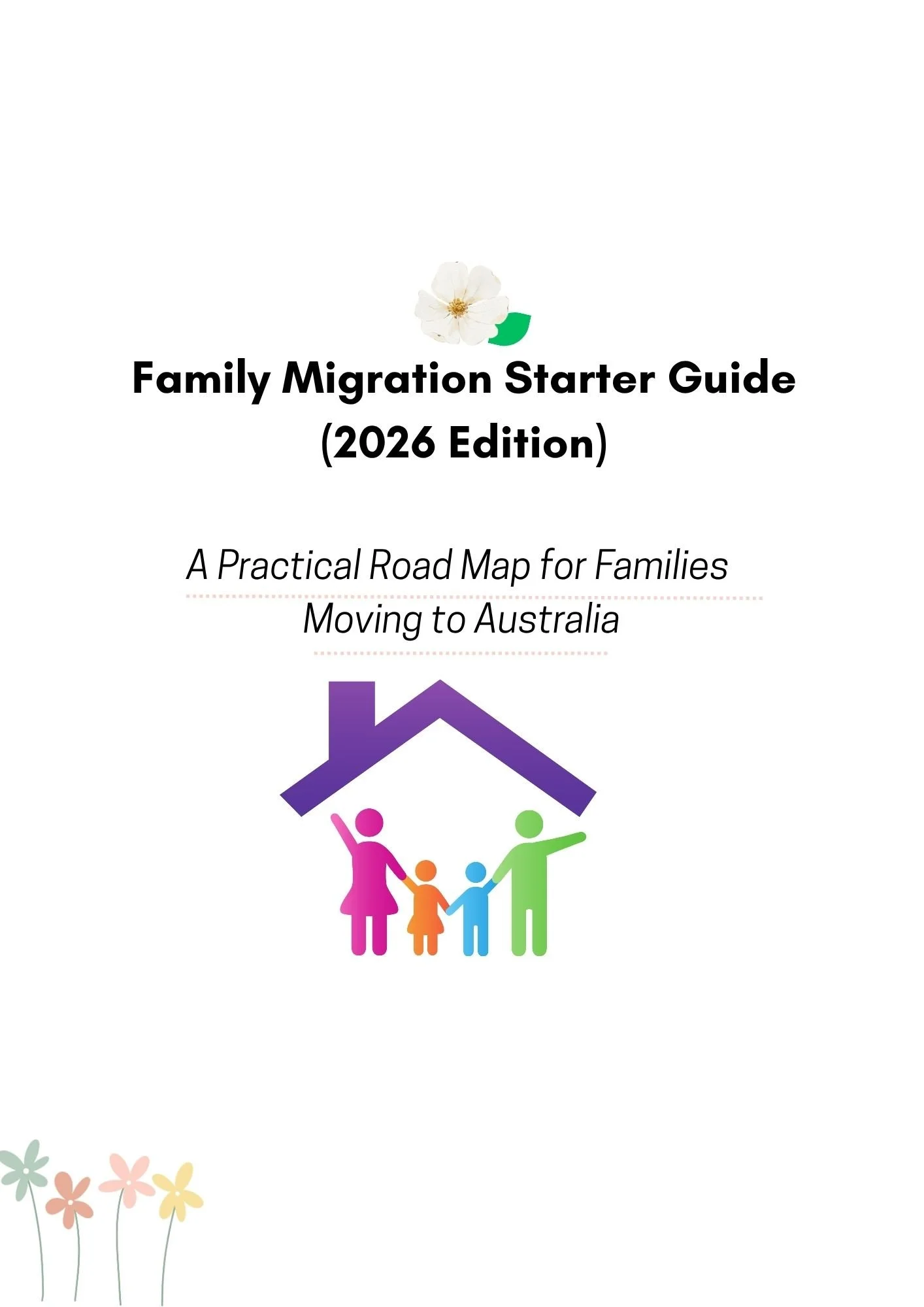
This guide was created to help migrant families simplify the process and feel more prepared before arriving in Australia.
Inside this guide, you’ll discover:
✔ Family-friendly Sydney suburb recommendations
✔ School catchment tips
✔ Public school enrolment basics
✔ Healthcare and Medicare information
✔ Budget planning checklist
✔ Things to prepare before arrival
✔ Tips to help children adjust emotionally and socially
This guide will help you take one step at a time with more confidence.
Most Read Articles