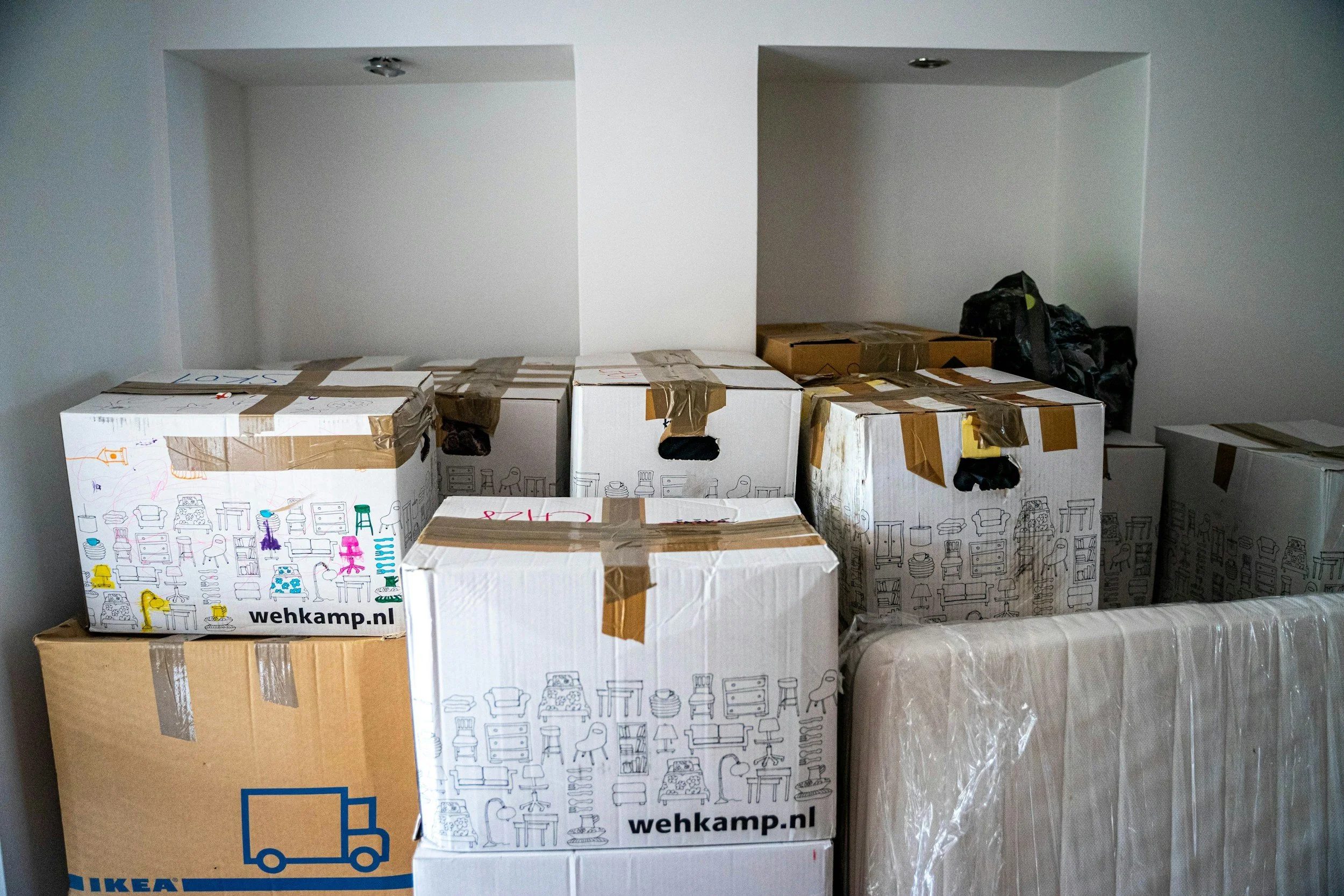
The purpose of this blog is to help and guide new families, or anyone preparing to move to Australia. Even with as much research as you can do, there is no better teacher than real experience. What we are sharing here didn’t come from just general information online or from others it comes from our own personal journey, learning as we went, and figuring things out step by step as a family after arriving in Australia. Moving to Australia sounds like a dream beautiful beaches, high salaries, and a great quality of life. Its true! But here’s the other truth…The cost of living in Australia can be shockingly high if you’re not prepared. If you’re planning to move or you’ve just arrived, this guide breaks down the real monthly costs, plus the hidden expenses no one talks about.
What I’ve learned from our own experience is this “preparation is everything”. It’s not just about having enough money to get here, but understanding how quickly expenses add up once you arrive. From rent deposits to setting up your home, buying essentials, and adjusting to weekly costs, the first few months can feel overwhelming if you don’t plan ahead.
I also realized that doing a bit of research beforehand can make a huge difference. Knowing where to shop, how to budget, and what to expect financially helps you avoid unnecessary stress. Australia is an amazing place to live, but coming in prepared gives you a much smoother and more confident start especially when you’re moving with a family.
This blog will guide you and breaks down the real monthly costs, (based on our personal experience) plus the hidden expenses no one talks about.
Rent (Our BIGGEST Expense)
Housing was honestly one of the biggest adjustments for us when we moved. In Sydney, rent can take up a large portion of your budget especially if you have a bigger family like ours.
Family homes: generally on the higher end depending on the area
Apartments: a bit more affordable, but space can be limited
As a family of 6, we quickly realised that a smaller place just wouldn’t work for us long-term. We needed more space and extra bedrooms, which naturally meant higher rent and fewer options to choose from.
Another thing we noticed is that rent really depends on location. Areas closer to the city, good schools, or public transport tend to be more expensive so it often comes down to choosing between space, location, and budget. And this is why we are not residing in the city - Sydney. :)
Our Experience
I still remember when we first started looking for a place…We thought once we found something within our budget, that would be it. But it wasn’t that simple. We attended inspections with so many other families, submitted multiple applications, and waited… and waited. There were times we really liked a place, but didn’t get approved and that can feel discouraging, especially when you’re just starting out in a new country. It made me realize that finding a home here isn’t just about how much you can afford it’s also about being prepared, having your documents ready, and sometimes just being patient with the process.
What no one really tells you:
You need 4 weeks bond + 2 weeks advance rent upfront
Competition is very intense expect to apply for multiple properties
You’ll likely need documents like proof of income, references, and IDs ready
Sometimes it’s not just about affordability, but also presenting yourself as a “strong” applicant
That whole experience taught us to stay flexible, manage expectations, and not rush the process. Once you finally find the right place, it really does feel worth it but getting there can take time.
Rent Application Tips (That Worked for Us)
After a few rejections (and a lot of waiting), we started to understand what actually makes a difference when applying for a rental in Sydney. Here are a few things that helped us:
1. Have everything ready before you apply. We prepared all our documents in advance — IDs, proof of income, references — so we could submit quickly. Timing really matters.
2. Apply as soon as possible. Some properties get applications within hours. We learned to apply right after inspections instead of waiting.
3. Present yourself well. It’s not just about affordability. A simple, polite introduction about your family can actually help make your application stand out.
4. Be flexible. We widened our search area and considered different suburbs — this gave us more options and less competition.
5. Don’t get discouraged. This was the hardest part. Not getting approved can feel personal, but it’s very common — especially when you’re new. To make things easier (because we wish we had this before 😅), I created a simple checklist you can use before applying for a rental in Australia. After going through the rental process ourselves, I created this simple checklist to help you avoid delays, missed documents, and unnecessary stress.
👉 Download your FREE checklist here
Groceries (It Adds Up So Fast)
At first, we thought groceries would be easy to manage… but we quickly realized how fast it can add up. We usually shop at:
Woolworths
Coles
Aldi (this is where we save the most)
What we learned: Eating out regularly here can get expensive, so groceries quickly became our main way to stay in control of our budget. Gets tips where to shop and save in Australia
Transportation
This really depends on where you live. For us, we realized pretty quickly that having a car makes life much easier. Fuel prices can fluctuate, and public transport costs can also add up depending on your daily travel.
Hidden costs I didn’t expect:
Tolls
Parking fees (everywhere specially cities)
General maintenance and running costs of a car
These small things make a bigger difference than you expect.
Utilities
This is something we didn’t really think about before moving. Monthly, we usually budget for:
Electricity & gas
Internet
Reality check:
Seasonal changes make a big difference heating during winter and air conditioning during summer can really impact your usage.
Kids and School Costs
As a parent, this one really stood out for me. Public school in Australia is often described as “free,” but for families who are not permanent residents or citizens, school fees may apply, along with other ongoing costs throughout the year.
Even beyond tuition, there are still regular expenses like uniforms, supplies, excursions, and after-school care that can add up over time.We still pay for things like:
Uniforms
School supplies
Excursions
After-school care (this is huge) do not make mistakes about this…research about after school care charges
These smaller expenses add up more than I expected over time.
Lifestyle and Spending
This is where I noticed money can quietly disappear if you’re not careful.
Coffee runs
Takeaway meals
Family dining out
At first, it doesn’t feel like much… but when you add it all up across the month, it becomes a noticeable part of your budget.
Our Real Monthly Cost (general view)
For our family, living in Australia overall requires careful budgeting and planning, and the total varies depending on lifestyle, school activities, and day-to-day choices. Some months are lighter, some months are heavier it really depends on how structured your spending is.
“WHAT I WISH I KNEW BEFORE MOVING”
Looking back, here are the things I really wish I understood earlier:
You need savings! before arriving A very detailed one (write down all your means, as clearly as possible, including emergency funds)
The first few months are the most financially intense
It takes time to adjust to the cost of living
Budgeting is not optional.. it becomes part of everyday life!
I’ve also written a separate blog sharing our full roadmap on how we navigated the process of finding our new home and choosing the right school in Australia, which might help if you’re planning your own move.
If there’s one thing we’ve learned from our journey, it’s that saving and preparation are the most important steps before migrating to Australia. No matter how much research you do, nothing fully prepares you for the real day-to-day costs until you actually live it. Having a financial buffer gives you breathing room, reduces stress, and allows you to focus on settling your family rather than constantly worrying about expenses.
Moving to a new country is exciting, but it also comes with a big adjustment period. Things don’t always go as planned, and that’s completely normal. But with enough preparation, patience, and realistic expectations, the transition becomes much smoother. If you are planning your move, give yourself time to prepare financially it truly makes all the difference in how your first months will feel.
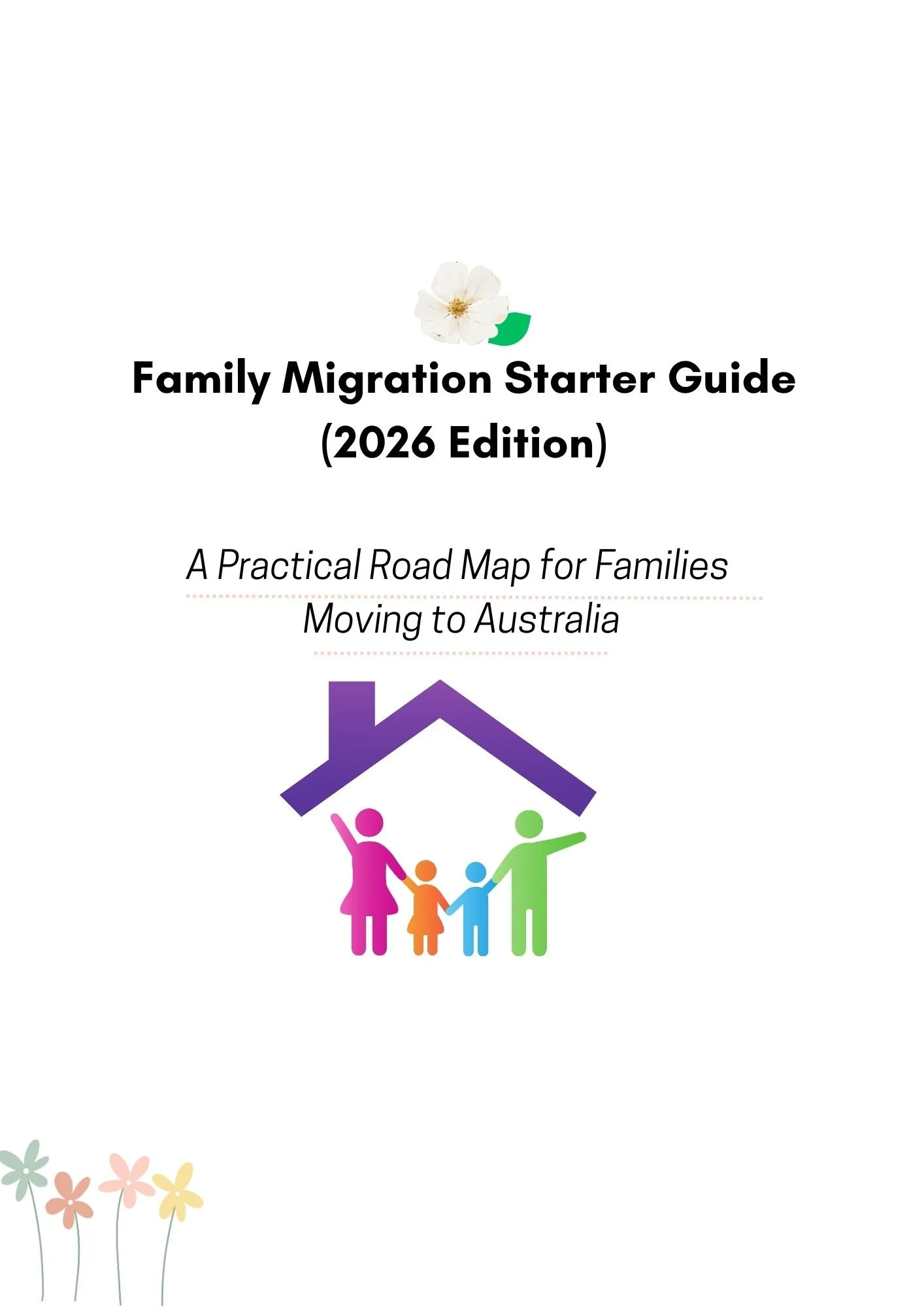
This guide was created to help migrant families simplify the process and feel more prepared before arriving in Australia.
Inside this guide, you’ll discover:
✔ Family-friendly Sydney suburb recommendations
✔ School catchment tips
✔ Public school enrolment basics
✔ Healthcare and Medicare information
✔ Budget planning checklist
✔ Things to prepare before arrival
✔ Tips to help children adjust emotionally and socially
This guide will help you take one step at a time with more confidence.
Most Read Articles